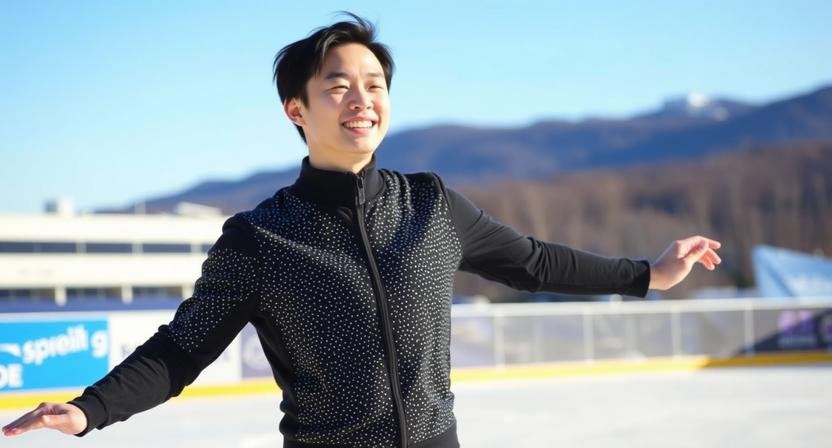
Why does Ksayim Hsiung want to be an ice skater? That question sparks curiosity because competitive skating demands discipline, resilience, and years of practice. It is not a casual hobby. It is a life choice.
Many young athletes dream of success. However, ice skating stands apart. It combines art, athleticism, and mental strength. Understanding why does Ksayim Hsiung want to be an ice skater reveals deeper motivations such as identity, ambition, and personal growth.
This article explores his inspiration, the benefits of skating, the challenges he must overcome, and the real-world factors shaping his journey. You will also discover expert insights, common mistakes beginners make, and practical steps for aspiring skaters.
Understanding the Dream: Why Does Ksayim Hsiung Want to Be an Ice Skater?
Ice skating is more than gliding on frozen water. It is a structured sport governed by organizations like the International Skating Union. It requires technique, performance skills, and stamina.
So why does Ksayim Hsiung want to be an ice skater?
The answer likely includes a combination of these core drivers:
-
Passion for performance
-
Love of competition
-
Desire for self-expression
-
Long-term career ambition
-
Personal challenge and discipline
Young athletes often discover skating through televised events such as the Winter Olympics. Seeing elite skaters perform can ignite a lifelong goal.
However, inspiration alone does not sustain effort. Motivation must evolve.
The Influence of Elite Skaters
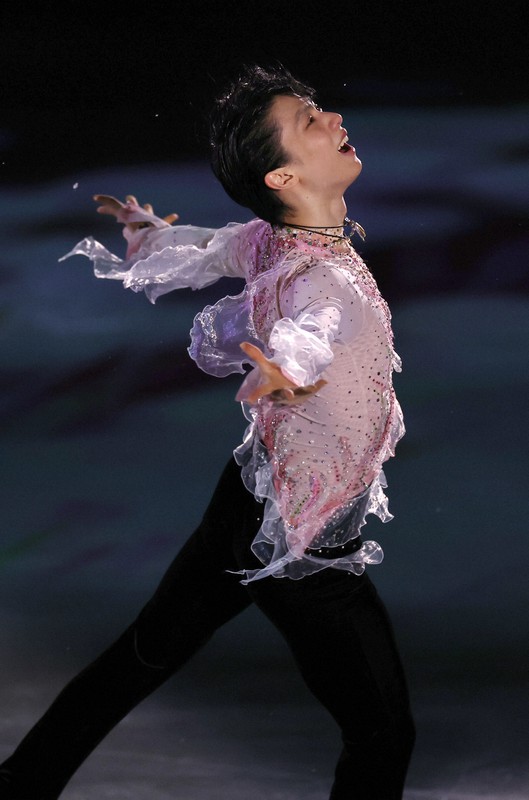


Many aspiring athletes look up to legends. Skaters such as Yuzuru Hanyu and Nathan Chen transformed modern figure skating.
Their achievements show that:
-
Precision and artistry can coexist
-
Mental toughness wins championships
-
Innovation pushes the sport forward
If Ksayim Hsiung studies their programs, he learns more than jumps. He learns mindset. That mindset explains part of why does Ksayim Hsiung want to be an ice skater at a serious level rather than casually.
What Makes Ice Skating So Compelling?
Ice skating blends three powerful elements:
-
Athletic performance
-
Artistic storytelling
-
Competitive scoring systems
Unlike many sports, skaters are judged on technical and artistic components. This dual evaluation attracts individuals who enjoy both structure and creativity.
Key Elements of Competitive Figure Skating
| Component | What It Requires | Why It Attracts Athletes |
|---|---|---|
| Jumps | Explosive strength | Adrenaline and technical mastery |
| Spins | Core control | Precision and balance |
| Footwork | Rhythm and speed | Musical connection |
| Choreography | Creativity | Emotional expression |
If Ksayim Hsiung values both athletic discipline and artistic freedom, ice skating becomes a natural choice.
The Deeper Psychological Reasons
To fully answer why does Ksayim Hsiung want to be an ice skater, we must explore internal motivations.
1. Identity Formation
Teen athletes often build identity through sport. Skating offers:
-
Clear progression levels
-
Public recognition
-
Structured achievement milestones
Mastering difficult jumps builds confidence. That confidence often spreads into academics and personal life.
2. Mastery and Growth
Ice skating is measurable. A skater moves from single jumps to doubles, then triples. Each skill requires months of repetition.
This progression feeds a growth mindset. Improvement becomes addictive.
3. Performance Energy
Some people thrive in front of crowds. Ice skating competitions offer that stage. Programs are choreographed stories performed under pressure.
For someone like Ksayim Hsiung, that spotlight might feel empowering rather than intimidating.
Benefits of Becoming an Ice Skater
Choosing this path provides significant advantages.
Physical Benefits
-
Improved balance
-
Strong core muscles
-
Cardiovascular endurance
-
Enhanced flexibility
Studies show figure skaters develop exceptional proprioception, meaning body awareness in motion.
Mental Benefits
-
Discipline
-
Time management
-
Emotional control
-
Goal setting skills
Training sessions often begin before school. Skaters learn responsibility early.
Social Benefits
-
Team environments
-
International travel opportunities
-
Lifelong friendships
Many athletes form strong bonds within skating communities.
Real-World Challenges Ksayim Hsiung Must Consider
Ice skating is rewarding. Yet it comes with obstacles.
Financial Costs
Training includes:
-
Ice time fees
-
Coaching
-
Choreography
-
Costumes
-
Competition travel
Annual expenses can reach several thousand dollars.
Physical Risk
Skaters fall often. Injuries include:
-
Sprains
-
Stress fractures
-
Knee strain
Proper conditioning reduces risk, but it never eliminates it.
Mental Pressure
Judged sports create psychological stress. Scores depend on performance quality and execution.
Handling criticism becomes part of growth.
Understanding these drawbacks clarifies why does Ksayim Hsiung want to be an ice skater despite challenges. True passion survives hardship.
Step-by-Step Path to Becoming a Competitive Ice Skater
If Ksayim Hsiung pursues this seriously, the journey likely follows this structure:
Step 1: Foundational Skills
-
Learn basic skating
-
Develop edges and balance
-
Practice posture and control
Step 2: Structured Coaching
-
Hire a certified coach
-
Follow skill level progression
-
Enter local competitions
Step 3: Technical Advancement
-
Master single jumps
-
Progress to double jumps
-
Build spin combinations
Step 4: Artistic Development
-
Work with choreographers
-
Train musical timing
-
Develop performance confidence
Step 5: Competitive Exposure
-
Regional events
-
National qualifiers
-
International competitions
Consistency matters more than intensity.
Common Mistakes Beginners Make
Aspiring skaters often struggle because they:
-
Focus only on jumps
-
Ignore off-ice conditioning
-
Skip flexibility training
-
Overtrain without recovery
-
Compare themselves constantly
Avoiding these mistakes gives Ksayim Hsiung an advantage.
Advanced Insights Beginners Miss
Experienced coaches emphasize three overlooked strategies:
-
Off-ice strength training improves jump height faster than extra ice time.
-
Mental rehearsal increases performance consistency.
-
Nutrition affects recovery more than most realize.
Elite skaters visualize programs daily. They also track hydration and sleep.
If Ksayim Hsiung adopts these habits early, his growth accelerates.
Ice Skating Compared to Other Sports
| Factor | Ice Skating | Team Sports | Track & Field |
|---|---|---|---|
| Artistic element | High | Low | None |
| Judging subjectivity | Yes | Minimal | None |
| Team reliance | Low | High | Low |
| Performance pressure | Very High | Shared | Moderate |
| Year-round training | Common | Seasonal | Seasonal |
This comparison highlights a key point. Ice skating demands independence. Success rests heavily on individual preparation.
If Ksayim Hsiung values autonomy, skating aligns well.
Why This Goal Matters Long-Term
Even if he does not become an Olympian, skating offers transferable skills:
-
Public speaking confidence
-
Physical literacy
-
Leadership discipline
-
Resilience under scrutiny
Athletes often transition into coaching, choreography, or sports management.
Therefore, when asking why does Ksayim Hsiung want to be an ice skater, we must see beyond medals. The long-term growth matters more.
Objections and Realistic Considerations
Some may argue:
“Skating is too expensive.”
“Chances of professional success are low.”
“It takes too much time.”
These concerns are valid.
However, structured planning can reduce financial burden through:
-
Sponsorship
-
Club scholarships
-
Shared training resources
Strategic time management balances school and sport.
Dreams require calculation, not blind optimism.
Practical Action Plan for Aspiring Skaters
If someone shares Ksayim Hsiung’s ambition, follow this roadmap:
-
Start early but focus on fundamentals
-
Invest in proper equipment
-
Build a support system
-
Track measurable progress
-
Compete regularly
-
Prioritize injury prevention
Consistency over years builds champions.
Frequently Asked Questions
Is ice skating harder than other sports?
It combines technical precision and artistry. That dual demand makes it uniquely challenging.
At what age should someone start?
Many elite skaters begin between ages 4 and 8. However, dedication matters more than age.
Can someone pursue skating without aiming for the Olympics?
Yes. Recreational and regional competition pathways exist.
How many hours do competitive skaters train?
Serious athletes train 15 to 25 hours weekly, including off-ice conditioning.
What personality traits help skaters succeed?
Resilience, patience, creativity, and self-discipline are essential.
Final Thoughts: The Real Reason Behind the Dream
So why does Ksayim Hsiung want to be an ice skater?
Because ice skating offers transformation.
It builds identity, strength, and discipline. It challenges both body and mind. It provides a stage for expression and a framework for measurable growth.
The journey is demanding. The costs are real. The setbacks are inevitable.
Yet, those who choose this path rarely regret it.
If Ksayim Hsiung commits fully, embraces expert guidance, and trains intelligently, his dream can evolve into something powerful. Not just medals, but mastery.
And mastery lasts far longer than applause.