
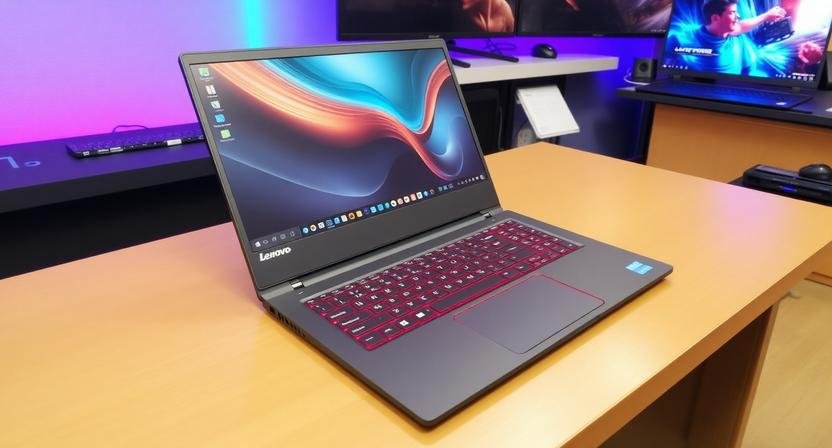
In the crowded arena of high-performance laptops, the Lenovo Legion series has consistently carved out a reputation for delivering serious power without always commanding a premium price. The model often referred to by the core identifier i square – lenovo ex, more formally known as the Lenovo Legion Y7000, stands as a compelling testament to this philosophy. This isn’t just another gaming laptop; it’s a versatile powerhouse designed to tackle demanding games, intensive creative workloads, and everything in between. This deep-dive review will dissect every aspect of the Legion Y7000, moving beyond spec sheets to explore its real-world performance, design philosophy, and overall value proposition. Whether you’re a competitive gamer, a video editor, or a power user needing reliable muscle, understanding what this machine offers is the first step in making an informed decision.
At its heart, the configuration we’re focusing on pairs a potent Intel Core i7 processor with dedicated NVIDIA GeForce graphics, a combination that promises smooth frame rates and efficient multitasking. But raw power is only part of the story. We’ll examine its chassis thermals, keyboard comfort, display quality, and battery life—factors that truly define the daily user experience. By the end of this analysis, you’ll have a clear picture of where the Lenovo Legion Y7000 excels, where it makes compromises, and whether it’s the right tool for your digital toolkit.
Under the Hood: Core Specifications and Architecture
To appreciate what the Lenovo Legion Y7000 is capable of, we must first understand the components that drive its performance. The specific build centered on the “i square – lenovo ex” concept typically aligns with configurations featuring Intel’s 12th or 13th Generation Core i7 H-series processors. These are not the low-power chips found in ultrabooks; they are high-performance mobile CPUs designed for sustained workloads.
-
Processor (CPU): An Intel Core i7-12700H or i7-13700H is common. These CPUs feature a hybrid architecture with Performance-cores (P-cores) and Efficient-cores (E-cores). For example, the i7-12700H boasts 14 cores (6 P-cores + 8 E-cores) and 20 threads, providing a significant leap in multi-threaded tasks like video rendering, 3D modeling, and heavy code compilation compared to previous generations.
-
Graphics (GPU): This is paired with a discrete NVIDIA GeForce RTX 3060 or RTX 4060 laptop GPU. These GPUs bring not only gaming prowess with features like Ray Tracing and DLSS but also accelerate creative applications through NVIDIA’s Studio drivers and CUDA cores.
-
Memory and Storage: Configurations usually start at 16GB of DDR5 RAM, which is essential for modern gaming and multitasking, and a fast 512GB or 1TB NVMe PCIe SSD for near-instantaneous load times.
-
Display: The laptop often features a 15.6-inch IPS panel with a high refresh rate, typically 144Hz or 165Hz. This is crucial for smooth, tear-free gaming visuals. Key metrics here are color coverage—often around 100% sRGB—and brightness levels around 300 nits.
The real-world implication of these specs is substantial. The combination of a high-thread-count i7 and a capable RTX GPU transforms the device from a mere gaming rig into a portable workstation. A video editor can scrub through a 4K timeline smoothly, a software developer can run multiple virtual machines, and a graphic designer can work with complex Illustrator files, all while having the capability to jump into a gaming session without missing a beat.
Performance Deep Dive: Benchmarks and Real-World Use
Specifications set expectations, but benchmarks and real-world testing reveal the truth. Let’s break down the performance of the Legion Y7000 across key domains.
Gaming Prowess and Frame Rate Analysis
Gaming is the Legion’s native habitat. With its i7 processor and RTX GPU, it targets high-frame-rate gameplay at 1080p, with the ability to venture into 1440p territory depending on the title and settings.
-
Esports Titles: In games like Valorant, *Counter-Strike 2*, and Rainbow Six Siege, the Y7000 consistently delivers frame rates well above 200 FPS on high settings, fully utilizing its high-refresh-rate display for a supremely responsive experience.
-
AAA Modern Blockbusters: For graphically intensive games like Cyberpunk 2077, Hogwarts Legacy, or Alan Wake 2, you can expect 60-80 FPS on High settings with DLSS set to Quality or Balanced. This is where the GPU’s dedicated AI cores (Tensor Cores) truly shine, boosting performance without a drastic loss in visual fidelity.
-
Thermal Performance During Gaming: Lenovo’s Legion Coldfront cooling system is put to the test here. Under sustained load, the system manages heat effectively, though fans do spin up audibly. CPU and GPU temperatures typically stabilize in the mid-80s (°C), allowing for consistent performance without severe thermal throttling. This sustained performance is a key differentiator from laptops with less robust cooling solutions.
Content Creation and Productivity Workloads
This is where the “i square” intelligence shines. The multi-core architecture of the modern i7 is a boon for creative professionals.
-
Video Editing: In Adobe Premiere Pro, exporting a 10-minute 4K H.264 video project can be 30-40% faster compared to a previous-generation 6-core i7 laptop, thanks to the efficiency of the hybrid core design and GPU acceleration.
-
3D Rendering: Using a CPU-based renderer like V-Ray, the Y7000 shows its strength, completing benchmarks significantly quicker than 8-core rivals from just a couple of years ago. For GPU rendering, the RTX card takes over, providing rapid previews and final renders.
-
Multitasking: With 16GB of RAM (often upgradeable), users can effortlessly run a dozen Chrome tabs, a communication app like Discord, a music streaming service, and a development environment or Photoshop simultaneously without noticeable slowdown.
Comparative Performance Table: Legion Y7000 vs. Common User Scenarios
| User Profile | Primary Tasks | How the Legion Y7000 (i7/RTX) Handles It | Key Benefit |
|---|---|---|---|
| Competitive Gamer | High-FPS Esports (Valorant, CS2), fast-paced AAA titles. | Delivers 144+ FPS consistently at 1080p max settings. High refresh rate display minimizes input lag. | Responsive, fluid gameplay with no screen tearing. |
| AAA Game Enthusiast | Story-driven, graphically intense games (Cyberpunk, RDR2). | Provides 60-80 FPS on High settings with RT/DLSS. Excellent visual fidelity and immersive effects. | Balanced performance and visuals for a cinematic experience. |
| Video Editor/Creator | 4K timeline editing, color grading, effects rendering in Premiere/DaVinci. | Fast timeline scrubbing and export times due to i7 multi-core & GPU acceleration (CUDA/RTX). | Efficient workflow reduces project turnaround time. |
| 3D Artist/Designer | Modeling in Blender, rendering, CAD work. | Strong multi-threaded CPU performance for rendering; GPU aids in viewport performance and OptiX rendering. | Faster iteration from concept to final render. |
| Power User/Student | Heavy multitasking, programming, data analysis, virtual machines. | The i7 and ample RAM allow seamless context switching between demanding applications. | Reliability and speed for complex project work. |
Design, Build, and User Experience
A performance laptop must also be a pleasure to use daily. The Legion Y7000 adopts a design language that is more “subtle gamer” than “over-the-top aggressive.”
-
Chassis and Portability: Constructed primarily from robust plastic with metal accents, it feels solid without being excessively heavy. At around 5 to 5.5 pounds, it’s portable enough for regular transport but firmly in the “performance laptop” category, not an ultraportable.
-
Keyboard and Trackpad: The keyboard is a highlight. It offers a comfortable 1.5mm key travel, good tactile feedback, and optional per-key RGB backlighting controlled through Lenovo’s Vantage software. The full-sized layout with a numeric keypad is appreciated for both gaming and productivity. The trackpad is spacious and accurate for a Windows laptop, though most gamers and creators will prefer an external mouse.
-
Display Quality: The 144Hz+ IPS panel delivers smooth motion. While it may not be a professional-grade color-accurate screen (lacking 100% DCI-P3 coverage), the ~100% sRGB is excellent for general content creation and media consumption. Brightness is adequate for indoor use.
-
I/O and Connectivity: The laptop is well-equipped with ports: multiple USB-A, USB-C (often with power delivery and DisplayPort), HDMI, Ethernet, and an audio jack. This comprehensive selection minimizes the need for dongles, a critical feature for a desktop replacement machine.
-
Audio and Webcam: The speakers are serviceable, providing clear sound but lacking deep bass. The 720p webcam is suitable for video calls but is a noticeable compromise in an era of 1080p becoming standard.
Battery Life and Thermals: The Practical Realities
Battery life is the traditional compromise in performance laptops, and the Y7000 is no exception. Under a light workload (web browsing, document editing with brightness at 50%), you might achieve 4 to 6 hours. However, under any form of load—gaming, rendering, or even sustained high-CPU tasks—the battery will deplete in under 2 hours. This machine is designed to be used plugged in for peak performance.
The cooling system, however, deserves praise. Legion Coldfront uses multiple heat pipes, large fin stacks, and dual fans to manage the thermal output of the i7 and RTX components. In “Performance Mode” (activated via Fn+Q or the Vantage software), the fans are aggressive but effective, keeping components within their optimal thermal envelopes. In “Quiet Mode,” the system intelligently limits power and fan noise, making it suitable for quieter environments like libraries or meetings.
Pros and Cons: A Balanced View
Pros:
-
Excellent Price-to-Performance Ratio: Often positioned competitively, offering core i7 and RTX specs for less than many rivals.
-
Strong Sustained Performance: Effective cooling prevents severe throttling during long gaming or rendering sessions.
-
Subtle, Professional Aesthetics: Avoids the overt “gamer” look, making it suitable for a workplace or classroom.
-
Great Input Devices: Comfortable keyboard with good travel and a responsive, large trackpad.
-
Comprehensive Port Selection: Includes Ethernet and multiple USB ports, reducing dongle dependency.
Cons:
-
Below-Average Battery Life: As expected for its class, but not a machine for all-day unplugged use.
-
Display Could Be Brighter: The ~300 nit brightness can struggle in very bright environments.
-
Webcam Quality: The 720p resolution feels dated for a modern laptop.
-
Fan Noise Under Load: In performance mode, the fans are audible—a trade-off for effective cooling.
Conclusion and Actionable Takeaways
The Lenovo Legion Y7000, embodying the i square – lenovo ex performance ethos, successfully bridges the gap between a dedicated gaming machine and a capable creative workstation. It doesn’t chase ultra-thin designs or all-day battery life at the expense of power. Instead, it delivers reliable, sustained performance in a package that is both usable and professionally acceptable.
If your priority is uncompromised performance for gaming or content creation at a sensible price point, and you will primarily use the laptop near a power outlet, the Legion Y7000 is an outstanding choice. It makes few flashy promises but delivers consistently where it matters: in the smoothness of a game, the speed of a render, and the responsiveness of a heavily loaded system.
Before you make a decision, consider these actionable steps:
-
Benchmark Your Own Workflow: Identify the most demanding application or game you use and look up specific benchmarks for the exact CPU (e.g., i7-13700H) and GPU (e.g., RTX 4060 Laptop) configuration you’re considering.
-
Prioritize Your Must-Haves: Is a color-accurate screen more important than a high refresh rate? Do you absolutely need 8+ hours of battery life? Your answers will determine if this is the right machine or if you need to look at other categories.
-
Check for Generational Updates: Lenovo refreshes the Legion line regularly. Ensure you are looking at the latest model available in your region, as even a generational step in CPU or GPU can offer meaningful efficiency gains.
-
Consider the Ecosystem: If you already use other Lenovo devices or appreciate the Legion Vantage software for system control, this adds to the cohesive user experience.
Ultimately, the Lenovo Legion Y7000 stands as a testament to smart, focused engineering. It understands its audience and delivers a potent, well-rounded package that earns its place as a top contender in the performance laptop arena. Ready to experience this blend of intelligent design and raw power? Exploring detailed reviews and user experiences for your specific regional model is the perfect next step to confirm it meets your unique needs.
Frequently Asked Questions (FAQ)
Q1: Is the Lenovo Legion Y7000 good for programming and software development?
Absolutely. The multi-core Intel Core i7 processor handles compiling code, running multiple Docker containers, and virtual machines with ease. The 16GB of RAM (often upgradeable) is sufficient for most development environments, and the comfortable keyboard is ideal for long coding sessions.
Q2: Can the RAM and SSD be upgraded after purchase?
In most configurations of the Legion Y7000, yes. Typically, the laptop provides user-accessible slots for both RAM (usually two SODIMM slots) and storage (one or two M.2 NVMe slots). It’s always best to check the specific model’s service manual or teardown videos to confirm upgradeability before purchasing.
Q3: How does the Legion Y7000 handle thermal throttling during summer or in warm rooms?
The Legion Coldfront cooling system is robust. While internal temperatures will rise in ambient warm conditions, the laptop is designed to manage this. You may see a slight reduction in peak boost clock speeds to maintain stability, but significant performance drops (throttling) are uncommon unless the air intakes are severely blocked.
Q4: Is this laptop too loud for use in a quiet office or library?
When in “Quiet Mode” (activated via Fn+Q), the laptop manages fan speed and performance to keep noise levels very low, making it suitable for quiet environments. However, if you engage in tasks that trigger the dedicated GPU or high CPU loads, the fans will spin up, even in this mode, producing noticeable sound.
Q5: Does the “i square – lenovo ex” model support connecting to multiple external monitors?
Yes. Through a combination of its HDMI port and USB-C port (which supports DisplayPort Alt Mode), the Legion Y7000 can typically drive two external monitors simultaneously, in addition to its own built-in display, for a triple-screen setup. This is great for productivity and multitasking workflows.
